



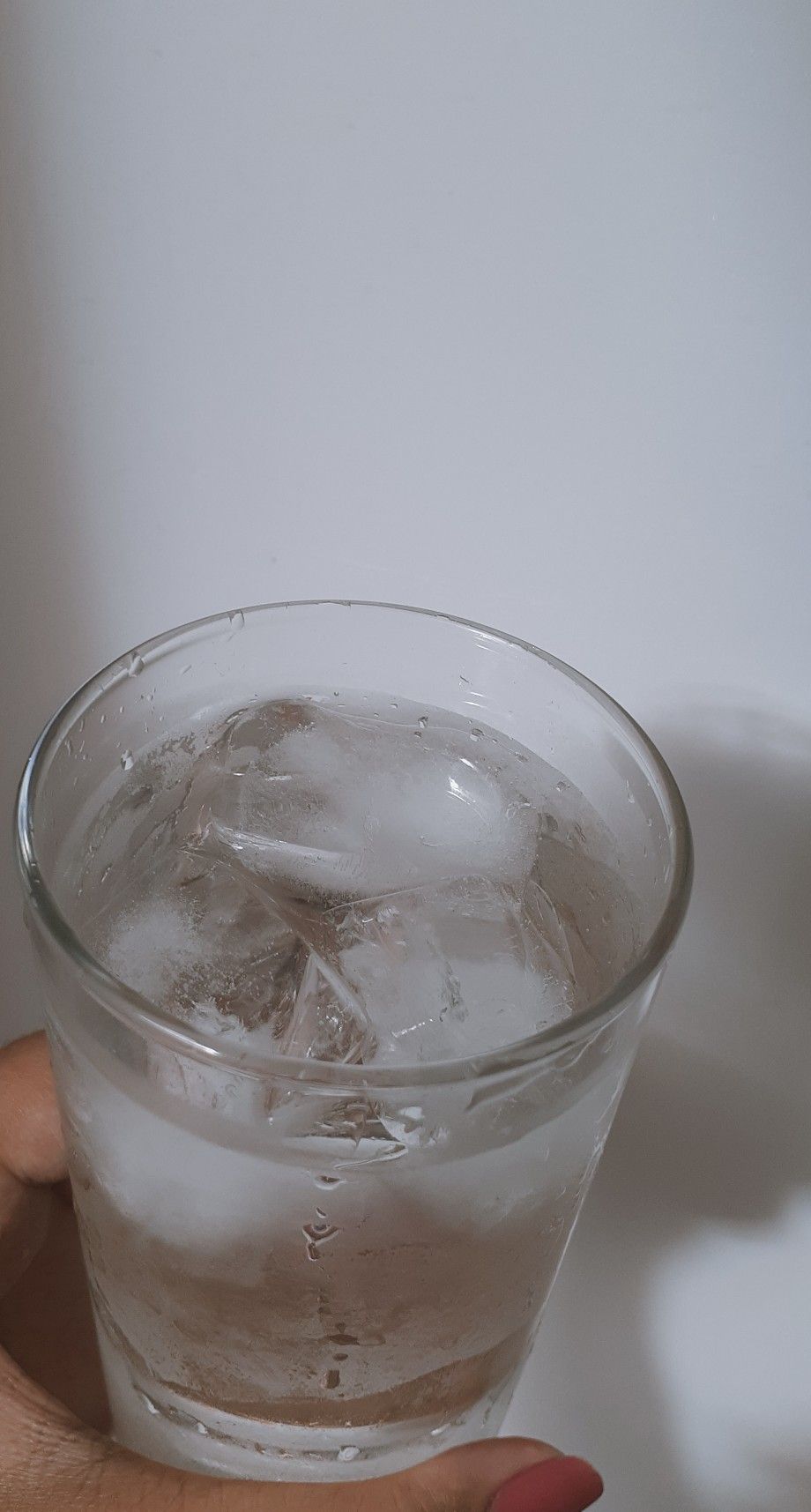
For many years, people have believed that drinking cold water can lead to various health problems, from sore throats to digestive issues. In many cultures, cold water is thought to weaken the immune system or upset the body’s natural balance, but how much of this is true? Let’s take a closer look at the myth surrounding cold water and whether it really deserves its reputation for causing illness.
Where Did the Myth Come From?
The belief that cold water is harmful has deep roots in traditional medicine practices. In some parts of the world, cold drinks are discouraged, particularly after meals, based on the theory that they may “shock” the digestive system. The idea is that cold water can solidify fats in food, making digestion slower and more difficult.
In modern times, many people continue to avoid cold water, especially when sick, due to fears it may worsen conditions like colds, flu, or sore throats. But is there any scientific evidence to back these claims?
The Science Behind Cold Water and Your Body
When it comes to health and hydration, cold water doesn’t deserve the bad reputation it’s often given. Scientific studies have shown that drinking cold water is generally safe and can even have some benefits, such as:
- Cooling the Body: Cold water can help reduce body temperature during hot weather or after exercise, helping to rehydrate and cool you down faster.
- Boosting Metabolism: Some research suggests that drinking cold water may slightly boost your metabolism as your body works to warm the water to body temperature.
- Improving Hydration: For some people, cold water is more refreshing, making it easier to stay hydrated throughout the day.
Can Cold Water Cause Illness?
The simple answer is no, cold water alone does not cause illness. Sickness is usually caused by infections, such as bacteria or viruses, not by the temperature of your drink. While cold water may sometimes feel uncomfortable to drink if you already have a sore throat or are sensitive to cold, it doesn’t directly lead to colds, flu, or other illnesses.
However, some people might experience mild discomfort after drinking cold water if they have pre-existing conditions like migraines, where cold temperatures can trigger symptoms. But this is more of an individual reaction rather than a widespread health concern.
When Cold Water Might Not Be Ideal
While cold water is generally safe, there are some situations where it might not be the best option:
- After Eating Fatty Meals: Drinking cold water right after consuming oily or fatty foods could cause temporary digestive discomfort, but it’s not harmful in the long term.
- If You Have Certain Medical Conditions: Those with sensitive teeth, chronic migraines, or gastrointestinal issues might feel discomfort from drinking cold water, so room-temperature water may be a better choice in these cases.
Myths Debunked: Drinking Cold Water is Safe
Ultimately, the notion that cold water causes illness is more of a myth than a fact. As long as you’re staying hydrated, whether with cold or room-temperature water, your body will function properly. For most people, cold water is perfectly fine to drink, and it doesn’t pose any health risks unless you have specific sensitivities or underlying health conditions.
Stay Informed and Take Control of Your Health with SignalADoc
Health myths and misconceptions can sometimes lead to unnecessary worry. That’s why it’s essential to have accurate, reliable health information at your fingertips. At SignalADoc, we offer 24/7 access to healthcare professionals who can provide answers to all your pressing health concerns.
Whether you’re curious about hydration, have questions about a specific condition, or need advice on managing symptoms, our doctors are just a message away. With our chat service, you can consult a qualified healthcare provider anytime, anywhere, ensuring peace of mind and up-to-date advice tailored to your needs.
Get started today! Subscribe to SignalADoc’s chat service and take control of your health.